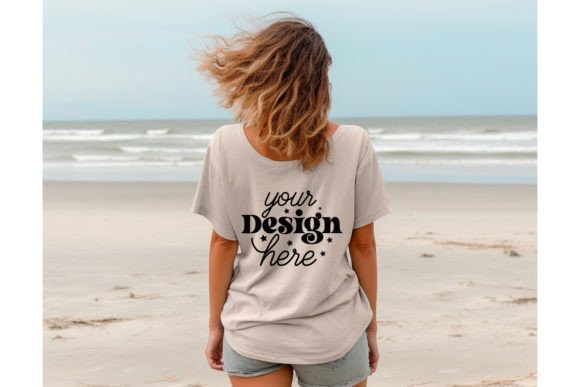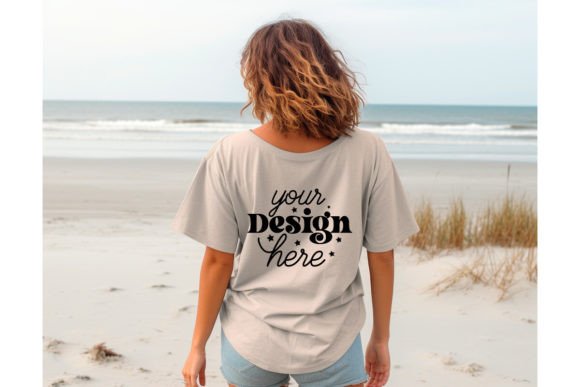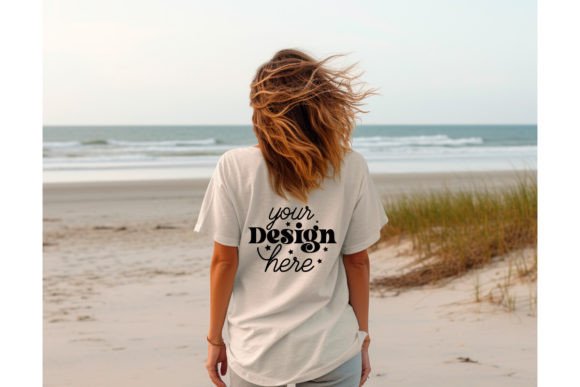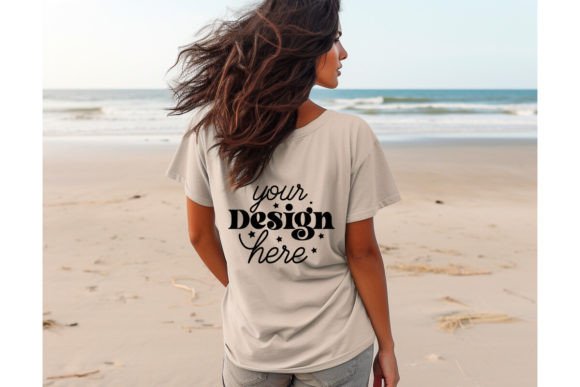
A Professional Designer’s Review of the Back Natural Bella Canvas 3001 Mockup
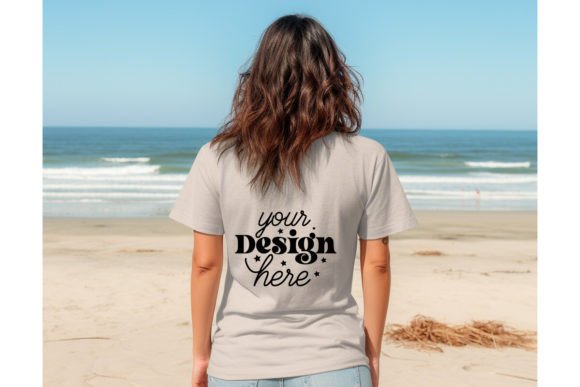
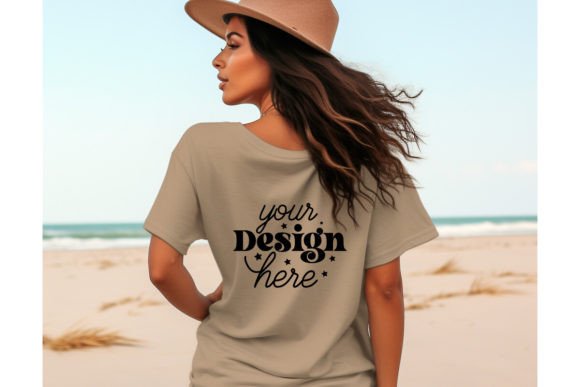
As a graphic designer, the first thing I do when evaluating a new asset like this is to consider its mood and immediate application. The Back Natural Bella Canvas 3001 Mockup presents a clean, blank canvas. The “back natural” description suggests a focus on the rear view of the shirt, providing a less common but valuable perspective for showcasing tag details, back prints, or full-wrap designs. This isn’t just a t-shirt graphic; it’s a foundational tool for visualizing how a design sits on the garment itself.
First Impression and Project Fit
Opening this mockup file, my initial thought is about texture and realism. A high-resolution JPEG, as provided here, needs to convey the fabric weave and stitch detail convincingly. For a client project—say, a boutique coffee shop launching branded merchandise—this asset sets a mood of authenticity. It feels grounded, tangible, and ready for a design to live on it. This mockup naturally fits projects where the product itself is the hero: an Etsy shop’s new apparel line, a band’s tour merchandise, or a small business’s employee uniforms. It represents a straightforward, practical style, avoiding overly stylized or artistic renders that might distract from the client’s actual design.
Performance in Real-World Design Scenarios
In daily design work, a mockup like this is a bridge between a flat graphic and a physical product. For logo design, placing a logo on this Bella Canvas 3001 mockup tests its scale and placement on apparel. For brand identity projects, it helps build a cohesive visual language across t-shirt designs, tote bags, and social media graphics that feature the merchandise. When creating marketing visuals for a seasonal campaign, this mockup can be the core of a promotional flyer or Instagram post announcing a new product launch.
Consider a client needing packaging design for a handmade soap business that also sells branded tees. This mockup allows you to show the t-shirt as part of the product lineup on their website graphics or in editorial design features. For digital ads or Pinterest pins aimed at driving sales, a realistic mockup builds visual trust far more than a plain white rectangle. It tells the audience, “This is what you will actually receive.”
Where This Mockup Works Best
Its strength lies in large layout areas and dedicated product presentations. Use it as a hero graphic on a product page for a print-on-demand seller. It excels as the primary image in a product mockup for an online store. For themed collections, like a series of shirts for a local event, using a consistent, high-quality mockup like this across all designs creates a polished, professional collection feel. It serves as a critical component in campaign visuals, providing a reliable, realistic base for applying different design variations.
Caution Zones and Considerations
This asset should be used carefully at very small sizes, such as in a crowded footer or as a tiny icon. The fabric texture and detail may become muddy or distracting. On complex backgrounds, the mockup itself needs to remain the focal point; avoid overlaying it on busy patterns. For minimalist branding projects where the aesthetic is ultra-clean and graphic, the photographic nature of a mockup might clash. In highly professional corporate materials where abstract representations are preferred, a photographic mockup might feel too literal.
The key is visual hierarchy. This mockup is a container for your design. The client’s artwork must remain readable and prominent. Always test your design’s contrast when placed on the mockup, ensuring text or logos stand clear against the shirt’s natural tone.
The Impact on Brand Consistency and Professionalism
Using a consistent, high-quality mockup across all apparel visuals strengthens brand consistency. For a digital seller or small business owner, it elevates the entire presentation. It affects emotional appeal by making the product feel attainable and real, boosting audience engagement. In commercial design assets, this professionalism directly impacts perceived value and can increase conversion rates. It’s not merely a graphic design asset; it’s a tool for building visual trust.
Practical Designer Notes Before Client Use
- Test in Context: Before committing, place your client’s actual design onto the mockup. Check readability with various font styles—a bold sans serif for a modern look, a delicate script for a handmade business feel.
- Scale Testing: Preview the composite image at both the size it will be used on a website and the size it might be printed for a poster or packaging detail.
- Print Preview: If the final deliverable includes physical marketing materials, test a print proof to see how the JPEG’s quality translates to paper.
- Cross-Platform Use: Consider how it will look as a social media graphic versus a detail on a Canva template or within a Cricut project design layout.
- Licensing Confirmation: Always verify the commercial license for any asset before using it in paid client work. This mockup, being logo-free and blank, is intended for your designs, but confirming terms is a non-negotiable step.
While this particular Back Natural Bella Canvas 3001 Mockup is a single JPEG file, its application is broad. It’s a foundational piece for creating convincing t-shirt design presentations, product mockups for Etsy products, and authentic visuals for a brand’s storytelling. It supports the design direction by providing a realistic stage, improves the visual mood by adding texture and dimension, and helps the final result feel polished and market-ready. For designers, brand owners, and marketers working in the tangible world of merchandise, such an asset is not just a convenience; it’s a crucial component in translating a digital design into a believable product vision.