A Designer's Review of the Bella Canvas Back Mockup
First Glance: The Canvas for Your Story
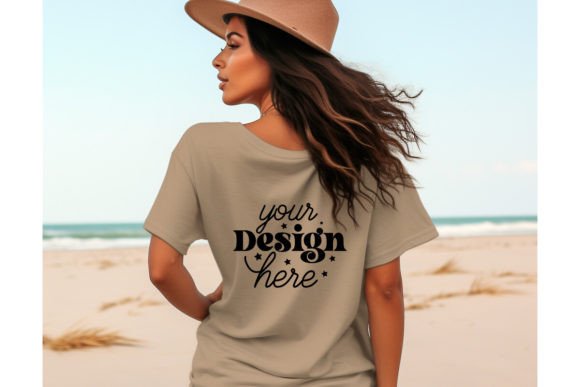
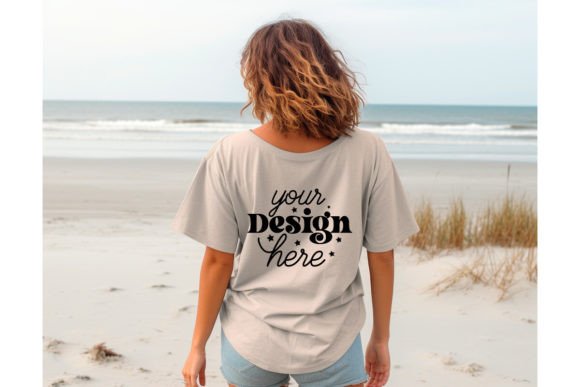
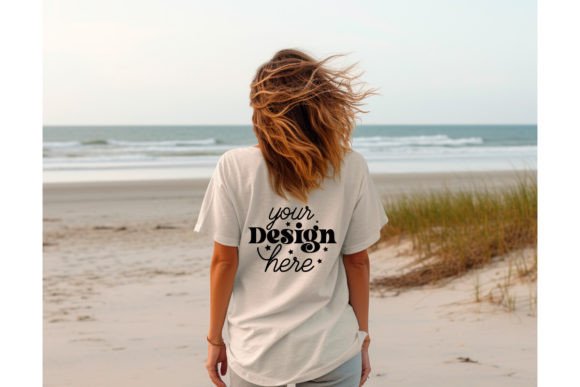
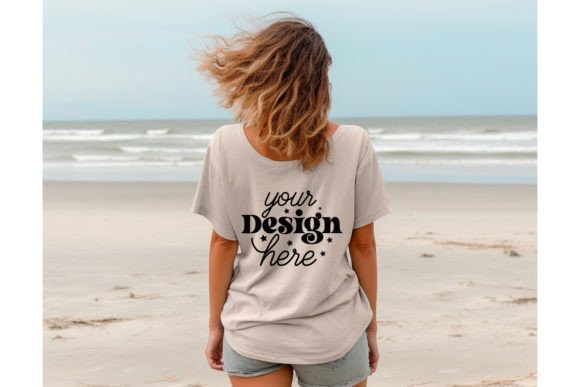
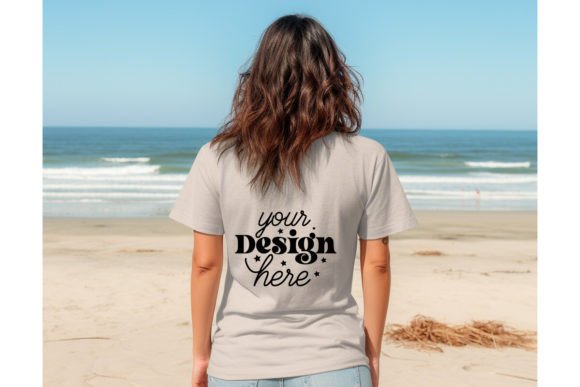
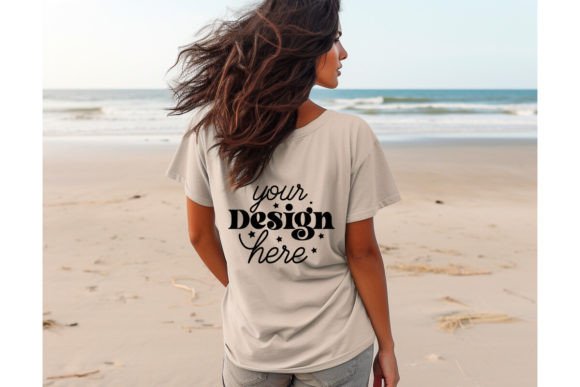
The Back Natural Bella Canvas 3001 Mockup104 presents itself as a straightforward, clean backdrop. Its strength isn't in ornate detail, but in its promise of a blank slate. For an embroidery designer, this immediately signals a practical tool rather than a finished artwork. The mood it creates is professional and versatile, a blank canvas waiting for your narrative. This isn't a design that shouts for attention on its own; its visual personality is entirely defined by what you place upon it. It naturally belongs to projects where the embroidery is the hero—custom apparel, boutique merchandise, or personalized gifts where the garment itself is a simple, trusted foundation.
Where This Mockup Shines in Real Projects
In my workflow, evaluating a mockup like this means imagining the finished product. Let’s say I’m preparing a batch of custom embroidered sweatshirts for a small shop’s holiday collection. I’ll use this high-resolution JPEG to visualize my embroidery design on the clean, natural-toned Bella Canvas. It allows me to see how my satin stitch lettering or intricate fill stitch motif will sit on the garment’s back, assessing scale and placement before I ever thread the machine. This is invaluable for creating compelling previews for Etsy listings or client approvals.
Its utility stretches across many embroidery projects: envisioning a large, decorative piece on a tote bag, a subtle monogram on a baby clothes item, or even a bold embroidered patch applied to a cap. For craft business owners selling digital embroidery files, this mockup is a key design asset for creating attractive, realistic previews that build customer trust. It helps the buyer see the potential, transforming a digital file into a tangible vision of a handmade product.
The Practical Impact on Perception and Value
Using a clean, high-quality mockup directly affects visual appeal and perceived value. When a potential customer sees your design rendered on a realistic garment like this Bella Canvas mockup, it conveys professionalism. It suggests you’ve thought through the final presentation, which enhances brand consistency and buyer engagement. For a personalized gift, like an embroidered pillow cover, a good mockup can make the idea feel more giftable and special. It moves the project from a concept to a nearly-finished item in the viewer’s mind.
Considerations for Stitching Success
While the mockup provides a perfect visual template, the real-world embroidery project requires careful planning. The Back Natural Bella Canvas 3001 Mockup104 represents a classic t-shirt fabric. In practice, this means considering fabric texture and stability. For actual stitching, especially on lightweight or stretchy fabric, proper stabilizer is non-negotiable to maintain stitching clarity. Designs with very high stitch density might need testing on scrap fabric first to prevent puckering.
This mockup’s simple shape encourages large, central designs, but be mindful when translating your idea to a physical item. If your embroidery design includes tiny lettering or extremely detailed corners, test it on a similar fabric to ensure readability. Also, consider thread color contrast. The natural background is a mid-tone, so both light and dark threads will show well, but always check your palette in a black-and-white mockup too to evaluate contrast purely.
Scenarios for Extra Care
There are places where I'd use this mockup concept cautiously. If your final product isn't a t-shirt but something like a textured blanket or a curved surface like a cap, remember the mockup is a flat graphics representation. The actual application on those different forms may alter the layout. Also, for projects on dark fabric, the mockup’s natural color won't represent the final background, so you'll need to adjust your previews accordingly. Always think about the product's life: items like custom apparel or kitchen towels that need frequent washing require robust embroidery construction to endure.
Notes from the Hoop: A Designer's Checklist
Before committing a design to a final commercial embroidery project using this mockup as your guide, here are my practical steps:
- Test the design on scrap fabric first. This is the golden rule. It reveals issues with stitch density, thread tension, and fabric behavior.
- Confirm your hoop size can accommodate the design area you envision on the mockup.
- Inspect how small details in your design will translate. Does that delicate running stitch outline remain clear?
- Use the mockup to create both light and dark background previews to cover a range of potential final products.
- If creating an applique design, ensure the mockup’s simple background doesn’t distract from the layered fabric elements.
- Crucially, since the product description only specifies a high-resolution JPEG mockup file, you must check the licensing and compatibility of your actual embroidery file separately. Confirm that your embroidery file and its license permit use for both personal and commercial projects before selling finished items.
The Back Natural Bella Canvas 3001 Mockup104 is a trusted, blank stage. It doesn’t do the creative work for you, but it provides a clear, professional space to showcase your embroidery project brilliantly. For the maker, the small business owner, and the creative entrepreneur, it’s a tool that bridges the gap between digital design and the tangible, stitched reality customers will love.