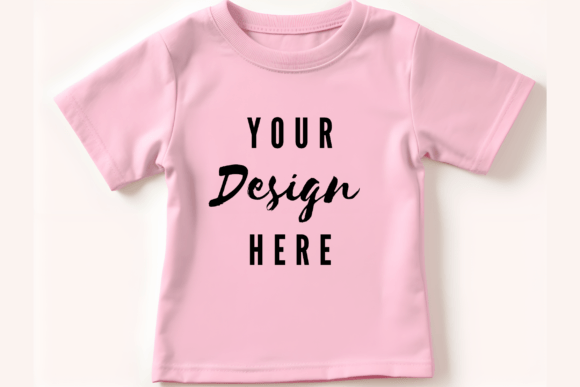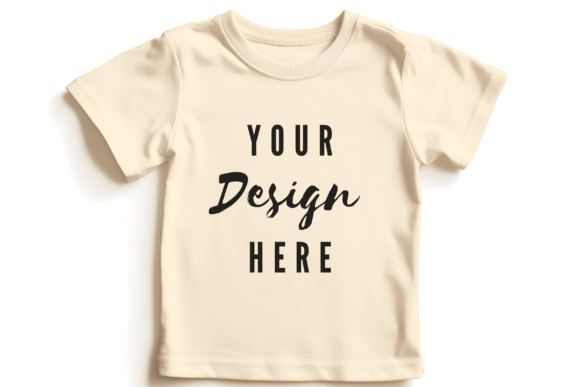
A Designer's Take on the Natural Toddler T-Shirt Flat Lay Mockup
When you're in the trenches of your craft business, scrolling through countless graphics and mockups, a file has to earn its place in your project lineup. Today, I'm putting the Natural Toddler T-Shirt Flat Lay Mockup under that microscope. As someone who relies on these assets daily—for client presentations, Etsy listings, and my own embroidery work—I look beyond the pretty preview. I judge how it translates into a real, stitched, sellable product.
The First Glance: Boho Mood and Simple Charm
The immediate vibe here is gentle and organic. It has that soft, boho-inspired feel that fits perfectly with the current aesthetic for kids' items and personalized gifts. The layout is clean and centered, which is a huge plus for embroidery. It gives you a clear focal point without fighting with the natural drape of a tiny shirt. The detail level feels intentional; it's not overly busy, which means when you translate it into satin stitches and fill stitches, the core shapes will remain clear and readable. This isn't a graphic meant for shock value—it’s for creating a sense of calm, handmade warmth.
Where This Mockup Thrives in the Real World
Let's picture a real scenario. You have a customer who wants a custom, embroidered gift for a toddler's birthday. They've chosen a soft, heather gray Bella Canvas tee. You pull up this mockup to visualize the final product before you even thread the machine. Its flat lay style gives you a honest, professional preview for your shop listing or client email. But the true test is after the stitching.
This design naturally belongs to a specific family of projects:
- Baby & Toddler Apparel: Obviously, it's a star here. Embroidered on a tiny tee, sweatshirt, or even a little cap, it maintains that gentle personality.
- Personalized Nursery Decor: Think simple pillow covers or blanket corners. The theme extends beautifully beyond just clothing.
- Handmade Gift Collections: For a baby shower, wedding gift, or holiday present, this design elevates a simple item into a thoughtful, crafted keepsake.
- Small Business Branding: If your shop vibe is cozy and modern, using this as a consistent element on your packaging, tea towels, or tote bags can strengthen your visual story.
- Digital Product Previews: For fellow embroidery designers selling the machine embroidery file itself, this mockup provides a clean, attractive visual to showcase how the design could be applied.
The value isn't just in the image; it's in the trust it builds. A customer seeing a professional, realistic mockup feels confident in your process. It bridges the gap between the digital graphic and the tangible, embroidered product they'll receive.
The Practical Considerations: Where to Use With Care
No design is universally perfect. Here's where an experienced eye would proceed with caution when using this mockup for actual embroidery projects.
The apparent simplicity can be deceptive for stitching. If the graphic has very small internal details or tiny lettering (not evident from the description alone), you must consider your hoop size and stitch density. On a stretchy toddler tee, a dense fill stitch area could stiffen the fabric uncomfortably. Always, always test on scrap fabric first.
- Dark Fabrics: Check your thread color contrast. A light, natural-themed design might need a bright underlay or specific thread choices to pop on a navy or black garment.
- Textured or Thin Fabrics: A loose-knit sweater or a delicate linen might not support the design's structure well without the right stabilizer.
- Curved Surfaces: Applying this to a rounded cap might require adjusting the layout slightly to avoid distortion.
- Products for Frequent Wash: For items like kitchen towels or everyday baby clothes, ensure the stitch coverage is secure enough to handle repeated laundering without fraying.
The key is to remember that the mockup is a visualization tool. Your embroidery skills and material choices will determine the final product's durability and appeal.
How This Graphic Shapes Your Final Product's Appeal
Using a well-composed mockup like this directly impacts your business. It elevates your listings from amateur to professional. For a crafter or Etsy seller, that visual clarity can be the difference between a scroll-past and a sale. It helps the buyer envision the item in their life—on their child, in their nursery, as a gift.
For embroidery designers, it forces you to think about the finished product's context. Does this design look best as a small chest logo on a tee? Would it be more striking as a larger back design on a tote bag? The flat lay lets you judge scale before committing needle and thread.
This contributes massively to giftability and brand consistency. A cohesive, aesthetically pleasing design makes your products feel like part of a curated collection, not one-off experiments. That builds customer loyalty and recognition.
Notes from the Embroidery Table
Before you run with this Natural Toddler T-Shirt Flat Lay Mockup for commercial embroidery or your next craft fair batch, here’s my practical checklist:
- Test the actual embroidery file (if you're using one) on a similar fabric scrap to review stitch density and any potential puckering.
- Confirm the hoop size needed. Does the design fit a common, small hoop for apparel, or will it require a larger frame?
- Inspect for any minute details that might get lost in translation from graphic to stitches, especially if it includes applique elements.
- Create both light and dark background mockups in your software to see how it performs visually across different garment colors.
- Never assume licensing. Check the terms of the graphic or mockup file itself to confirm it's suitable for your use—whether for personal projects, selling finished handmade products, or as part of digital product bundles.
- Pair it with the proper stabilizer for your chosen fabric. This is non-negotiable for maintaining that clean, flat look the mockup promises.
In the end, this mockup isn't just a picture. It’s a blueprint for a potential handmade product. Its boho, natural mood sets a clear direction. Its clean layout promises stitching clarity. But its real worth is proven only when you use it thoughtfully—considering fabric, thread, machine, and customer—to create an embroidered item that feels just as genuine and warm as the mockup suggests. That’s where the graphic asset meets the craft, and where your project finds its success.