Sublimation Graphics: A Peacock Feather for T-Shirt Designs & Beyond
A First Impression That Sells
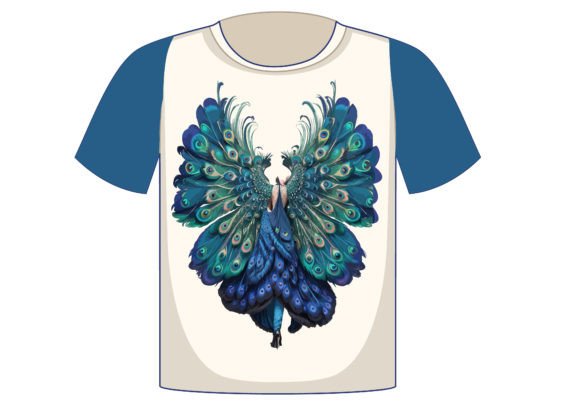
When a product like Sublimation lands in my digital inventory, my first thought is always about the mood it carries. This peacock feather vector illustration is undeniably elegant. Its intricate, flowing details and rich, decorative personality feel premium and artistic. This isn’t a playful or cute graphic; it’s a design that speaks to a buyer seeking something with visual depth and sophistication. I imagine it attracting customers interested in nature-inspired themes, bohemian styles, or luxury gifts. For a seller, this kind of asset immediately suggests a niche—one that leans towards feminine, decorative, and commercial appeal for products meant to stand out.
Where Sublimation Shines in a Real Online Shop
Let’s say I’m preparing a new collection for my Etsy shop or a seasonal drop on a print-on-demand platform. Sublimation, as a high-resolution vector graphic, becomes a core asset for a whole range of products. Its versatility is its biggest selling point.
For physical goods, it’s perfect for t-shirt graphics, mug designs, and tote bag prints. The vector format means I can scale it for a large tumbler wrap or a subtle nursery print without losing quality. As a digital product itself, it can be the centerpiece of a sublimation design bundle, sold as SVG and PNG files for crafters. I could easily build it into Canva templates for invitations or social media graphics, or package it with complementary patterns for a digital paper pack. For the Cricut community, this illustration could be adapted for intricate sticker designs, greeting cards, or scrapbooking kits, provided the cutting lines are well-defined.
Building a Cohesive Product Line
One graphic like this can anchor a themed bundle. Instead of listing just one PNG, I could create a "Peacock Elegance" collection featuring Sublimation alongside matching borders, simpler feather variants, and coordinating color palettes. This approach increases perceived value and encourages customers to buy the whole set for their brand identity or small business branding projects.
Lifting Your Product Presentation
In the crowded space of online marketplaces, presentation is everything. Sublimation can significantly enhance my product mockups. Using it on high-quality mockups of t-shirts or mugs creates compelling listing images that tell a visual story. Its intricate detail adds a layer of trust—it looks professional and well-crafted, which translates to the customer. For thumbnail appeal, a clean crop of the most captivating part of the feather can create strong contrast and draw clicks. When used in social media promos or blog graphics, it immediately elevates the post, making my brand look more established.
Spots Where This Design Requires Careful Testing
No asset is perfect for every application, and an experienced seller knows to test before publishing. Sublimation's intricacy means there are places to proceed with caution.
- Complexity in Small Formats: For tiny planner stickers or details on a small enamel pin, the fine lines might become lost or muddy. I'd need to test a simplified version.
- Print and Cut Precision: For Cricut projects or Silhouette cuts, the SVG needs to be checked for clean, connected cut lines. Overly thin vector paths can cause cutting issues.
- Background Contrast: This design likely has many mid-tones. On a dark background, some details may vanish, hurting the visual hierarchy. It’s crucial to preview it on both white and dark mockups.
- Crowded Layouts: Using Sublimation in a text-heavy template or alongside other busy elements could result in a cluttered final product that confuses the customer.
Practical Seller Notes Before You List
Before I commit to using Sublimation in my shop, I run through a real-world checklist. This avoids surprises and ensures a smooth customer experience.
- Mockup Every Key Product: I place the design on actual t-shirt, mug, and tote bag mockups. Does it look balanced? Does the scale feel right?
- Check the Marketplace Thumbnail: I create a square thumbnail image as it would appear on Etsy or Creative Fabrica. Is the main feature still clear and enticing at that small size?
- Test Print Colors: If I’m offering physical products via print-on-demand, I order a test print. Sublimation’s color gradients need to translate accurately from screen to fabric or ceramic.
- Verify File Practicality: For the digital download listing, I open the SVG in design software to check layer organization and confirm the PNG’s transparency is clean. I then organize the ZIP file clearly for my customers.
- Explore Font Pairings: To create ready-to-use Canva templates or invitation templates, I experiment pairing Sublimation with different fonts. A sleek sans serif font might give a modern twist, while a delicate script font could enhance its elegance. This adds immense value.
- Confirm Licensing Finality: The most critical step: I double-check that my purchase of this graphic design asset includes a clear commercial license for the finished products I intend to sell. No assumptions.
Thinking Like a Business Owner
Ultimately, evaluating Sublimation isn’t just about the art; it’s about whether it fits my shop’s direction and can be reliably turned into sellable goods. Does it fill a gap in my collection? Can it be adapted for multiple seasons? Its timeless, nature-themed elegance means it could work for spring collections, holiday gifts (if paired with festive colors), or year-round boutique items. By testing it across these scenarios, I build confidence that this design asset is a worthwhile investment for my handmade business or digital product shop. It helps me move from a single file to a professional-looking, cohesive product line that resonates with a specific, valuable audience.