Evaluating the Vintage Evergreen Design for Real Embroidery Projects
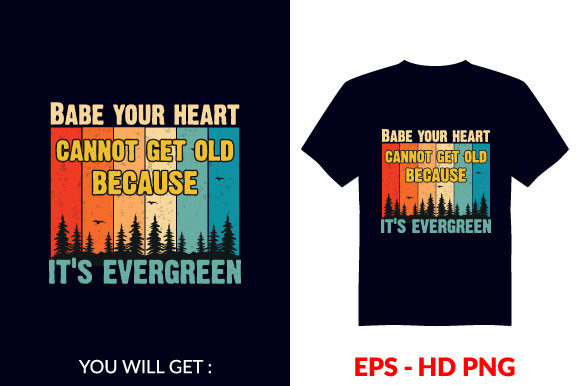
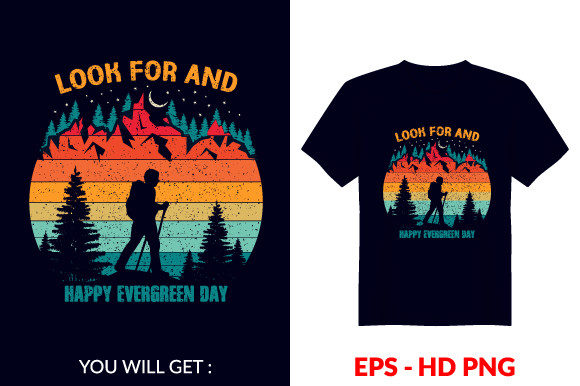
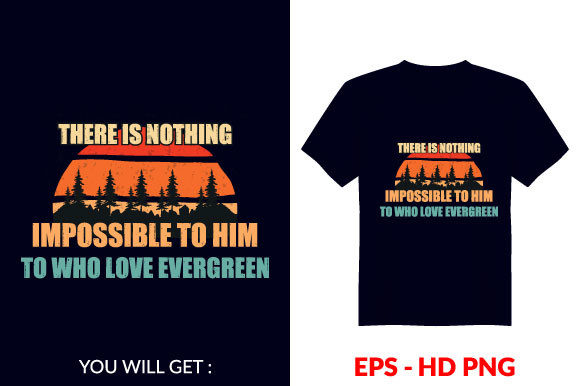
When a new embroidery file lands in my library, I don’t just look at the preview. I think about how it will breathe on fabric. The Vintage Evergreen T-shirt Design V99 is a good example of a graphic that promises a certain mood. My first task, as someone who stitches for clients and for my own small shop, is to judge if it can deliver that mood in thread.
The Immediate Feel of the Vintage Evergreen Graphic
This design hits with a quiet, classic charm. The “vintage” label isn’t just a keyword; the layout and suggested aesthetic feel nostalgic and grounded. Evergreen motifs typically speak to endurance, a quiet beauty that doesn’t fade. For an embroidery project, that translates to a design that should feel timeless on a finished product, not trendy for a single season. The visual personality leans toward organic and heartfelt, which is perfect for the handmade market.
From a pure design perspective, it looks like it belongs on natural fiber fabrics: cotton tees, linen tea towels, canvas tote bags. It has the feel of a design you’d put on a cherished item, like a personalized blanket or a wedding gift apron, rather than something flashy for fast fashion. That’s a crucial first filter for me. Will this embroidery file add perceived value to a product, or just be a decoration?
Where This Design Naturally Belongs
Let’s walk through a real scenario. I’m preparing a batch of custom embroidered tote bags for a local boutique that wants a “quiet forest” theme. The Vintage Evergreen T-shirt Design V99 comes to mind immediately. Its theme suggests it would pair beautifully with neutral fabric colors—oatmeal, olive, deep brown. I imagine it stitched on the front panel of a bag, not too large, acting as a sophisticated brand accent rather than a loud logo.
Beyond totes, this is a candidate for so many projects where warmth is key: pillow covers for a cozy living room, knit baby sweaters, heirloom-style kitchen towels. It feels like a design for gifts. If an Etsy seller is creating a line of “comfort gifts,” this embroidery design could be a core asset. For apparel decorators, it’s a strong choice for relaxed-fit sweatshirts or durable work aprons where the vibe is rustic and authentic.
Performance in Actual Stitching Situations
Here’s the practical thinking. A graphic labeled as a “Print Template” or for “Graphics” needs translation into stitches. The clarity of the shapes and the level of detail in the preview are my guides. For the Vintage Evergreen design, I’m looking at how separate elements might connect. Are there small, isolated details that could become tricky with satin stitch? Are the fills potentially too dense for lightweight t-shirts?
For machine embroidery, this design would likely shine on stable fabrics. Think of a structured cap, a denim jacket patch, or a thick linen pillow cover. On these, the stitch density can be higher without distorting the fabric. The vintage feel often relies on cleaner, slightly bold outlines, which translate well to running stitch or satin stitch borders.
On the flip side, I would use it carefully on thin, stretchy fabrics like fine tees without a robust stabilizer. Smaller hoop sizes might also force compression of details, losing that “evergreen” openness. Dark fabric backgrounds demand a thoughtful thread color choice—you’d need to test contrast to ensure the vintage mood doesn’t become murky and lost.
Careful Application on Challenging Surfaces
Embroidery on curved surfaces like caps requires designs with adaptable proportions. Textured fabrics like sweaters can obscure finer details. My advice is to always test this, or any design, on a scrap of the actual project fabric first. For the Vintage Evergreen, I’d be particularly mindful of any tiny lettering or intricate decorative accents within the graphic. In embroidery, those can fill in and become blobs if not digitized well for thread.
Another real-life consideration: products that need frequent washing, like baby clothes or kitchen linens. A design with very dense stitch areas can wear differently and may feel stiff. This design, from its theme, likely aims for a softer, more integrated look, which is a good sign for durability if the stitch choices are appropriate.
Impact on Your Business and Customer Perception
When you stitch a design onto a product for sale, it’s no longer just a file; it’s part of your brand’s handshake with the customer. The Vintage Evergreen T-shirt Design V99, executed well, elevates visual appeal by feeling intentional and crafted. That builds customer trust. It tells them you chose a design with personality, not just a generic clip-art.
For handmade presentation, this kind of graphic supports a story. You can market the finished product as “featuring a vintage evergreen embroidery motif,” which adds a layer of value. It enhances giftability because it feels personal and timeless. For brand consistency, if your shop’s vibe is natural, rustic, or heartfelt, this design can become a recognizable element across your merchandise—from tote bags to aprons to holiday gift sets.
Professionalism comes from flawless execution, but also from thoughtful design selection. Using a design that naturally fits the product, rather than being forced onto it, is a sign of a seasoned maker. This engagement matters deeply for Etsy sellers and craft fair vendors where buyers are looking for that thoughtful touch.
Essential Designer Notes Before You Hoop
Before I commit to using this design for a client order or a batch of shop products, my checklist is practical:
- Test the embroidery file on a scrap of my intended project fabric. This reveals true thread contrast and fabric behavior.
- Review the stitch density in the file preview. Is it suited for my fabric weight?
- Confirm the minimum hoop size needed to keep all details clear.
- Inspect small details in a black-and-white mockup. This shows if elements will hold their shape.
- Compare how it looks conceptually on both light and dark background mockups.
- Plan for proper stabilizer. This is non-negotiable for professional results.
- Most critically, check the license terms provided with the design. Can I use it for commercial embroidery projects, selling the finished physical products? Never assume.
This last point is vital for digital product sellers and creative entrepreneurs. If you’re selling the finished embroidered item, you need clear commercial rights. If you’re selling the design as a digital asset itself, its original licensing must permit that. Always verify.
The Final Take: A Design with Purpose
The Vintage Evergreen T-shirt Design V99 strikes me as a graphic with a clear purpose. It’s not for every project, but for the right project—where a mood of enduring, natural charm is desired—it could be a perfect fit. Its value in real embroidery work depends entirely on that thoughtful pairing: placing it on products that amplify its vintage, evergreen soul.
For the maker, the small business owner, the hobbyist creating personalized gifts, it offers a direction. It suggests a collection of products. It asks for careful stitching on suitable fabrics. And if those boxes are checked, it has the potential to transform a simple item into a cherished piece, which is, after all, the true goal of any embroidery project worth its thread.