Evaluating Chocolate Graphics for T-Shirt Designs & Small Business Branding
The First Impression: A Warm, Uncomplicated Brand Personality
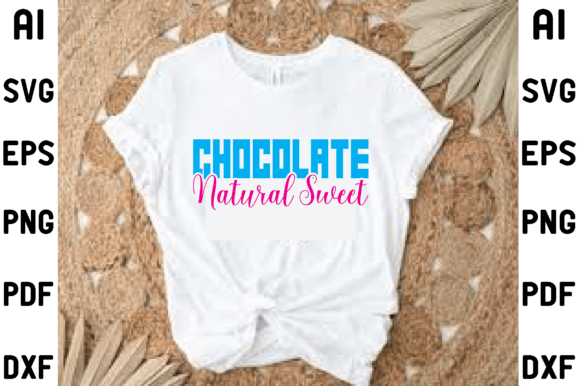
My initial reaction to the Chocolate Natural Sweet Svg Design is one of warmth. It feels friendly, approachable, and decidedly uncomplicated. For a small business, this isn’t a bold, avant-garde statement but rather a welcoming, soft decorative element. It suggests a brand personality that’s cozy, sincere, and perhaps a touch playful—a brand that doesn’t need to shout, but quietly invites you in. This graphic design asset leans toward a handmade, organic mood, making it a natural fit for businesses built on craftsmanship and authenticity.
A Real-World Project: The Local Artisan Bakery
Imagine I’m developing a brand identity for a new artisan bakery, “The Loaf & Bean,” specializing in sourdough and chocolate-dipped biscuits. The owner wants their branding to feel personal, a reflection of their hands-on process. The Chocolate svg design presents itself as a potential core decorative asset. Its “life begins after Chocolate” sentiment isn’t just a phrase; it’s an emotional hook for a brand story about indulgence, small pleasures, and the joy of a handmade treat.
Where This Design Asset Strengthens Brand Presentation
For a business like this bakery, professional branding is about stitching together every visual touchpoint into a coherent story. Here’s where I see this SVG being integrated:
- Product Labels & Packaging Accents: The design can become a repeating brand motif on paper bags, wax-sealed biscotti bags, and box stickers, creating immediate product recognition.
- Promotional Visuals: It would serve as a hero graphic for social media campaign graphics announcing a new chocolate line, or as a background element on website banners celebrating a seasonal launch.
- In-Store Collateral: Think of decorative borders on menu graphics, price lists, or as a subtle watermark on thank-you cards tucked into orders.
- Printable Designs: For flyers, posters at local markets, or even decorative elements on business cards, it provides a consistent visual thread.
This consistent use builds a stronger first impression, improves customer trust through polished marketing visuals, and gives even simple packaging better shelf appeal against mass-produced competitors.
The Power of a Versatile Graphic in Packaging Design
The promise of an instant download cutting file compatible with various machines speaks to its practical versatility. But from a commercial design perspective, its real value is adaptability. For product mockups, I can envision it scaled large as a focal point on a minimalist label, or used small and repeated as a patterned background on a hang tag. This flexibility is crucial for small business branding, where one asset often needs to serve many masters.
Practical Applications for a Local Business Owner
Let’s break down its application beyond the initial bakery concept for other creative entrepreneurs:
- For a Boutique Candle Brand: This Chocolate svg design could be etched onto a jar lid or printed on a sleeve for a “Dark Cocoa” scent line, creating a stronger emotional connection through its thematic illustration.
- For a Children’s Product Brand: On birthday party favor packaging or a chocolate-themed toy label, the playful, sweet nature of the graphic would feel instantly appropriate.
- For a Coffee Shop: Used on seasonal packaging for a chocolate-flavored coffee blend, or as a decorative element on a festive winter menu, it enhances the product’s narrative.
- For Social Media Managers: As a clean PNG, it can be layered into posts, ads, and stories, providing a professional branding element without needing custom illustration.
Strategic Considerations: Where to Use with Care
While versatile, a brand designer must also note where such a decorative asset should be applied carefully. Its specific, thematic nature means it won’t fit every context.
- Crowded Product Packaging: On a label with extensive legal information or ingredient lists, this graphic could compete with critical text, disrupting visual hierarchy.
- Luxury Minimalist Brands: For a brand aiming for stark, high-end elegance, the design’s friendly warmth might feel out of place.
- Very Small Labels: At tiny scales, the details could become lost or muddy, so previewing it on small label mockups is essential.
- Formal Corporate Branding: This is inherently a small business, local business, or handmade business asset. It wouldn’t translate to a formal corporate identity.
The Designer’s Checklist Before Client Use
Before committing this graphic to a client’s brand identity or physical product sales, I would run through these practical notes:
- Confirm Commercial Licensing: The absolute first step—ensuring the license permits use for commercial design, client work, and physical product sales.
- Test on Real Mockups: Place it on actual packaging design mockups for the bakery’s biscotti bag and coffee shop’s blend box to assess scale and impact.
- Check Editability: Inspect the SVG file to ensure vectors are clean and editable if the brand colors need adjustment.
- Evaluate Contrast: Test it on both light and dark backgrounds, and check its readability in a black-and-white version for unforeseen applications.
- Font Compatibility: Test it beside various font styles—a rustic serif, a clean sans-serif, a playful script—to see which pairing best supports the overall brand identity.
- Compare to Competitors: Hold a label mockup using this asset beside competitors’ packaging to gauge its uniqueness and shelf appeal.
Final Assessment: Supporting the Small Business Story
The Chocolate Natural Sweet Svg Design isn’t a logo design in itself. It’s a supportive brand element, a decorative illustration that carries a specific mood and message. For the right local business—one built on warmth, authenticity, and a product story tied to indulgence or craft—it can be a powerful tool. It helps transform a simple product label into a branded experience, a social media graphic into a cohesive campaign visual, and a small business into a recognizable, trusted local presence. When used strategically, with attention to scale, context, and licensing, it elevates the entire visual presentation from generic to genuinely branded.