A Practical Review of the Bella Canvas Mockup for Embroidery
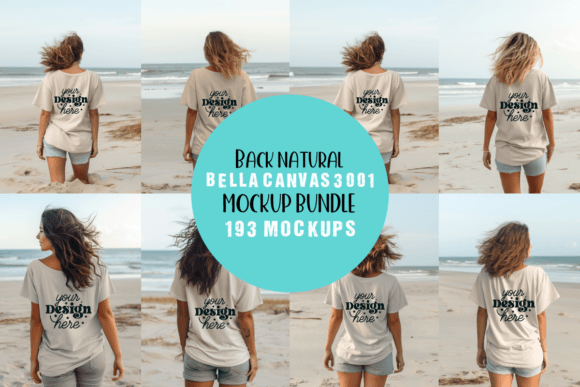
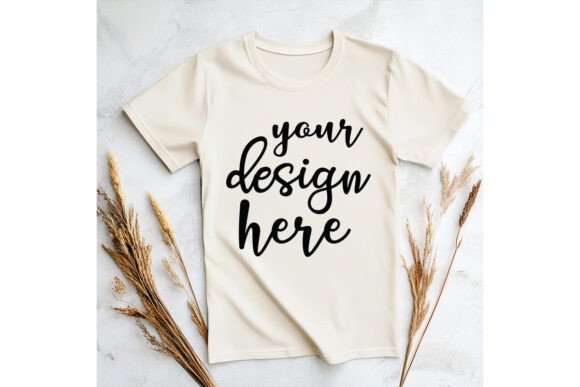
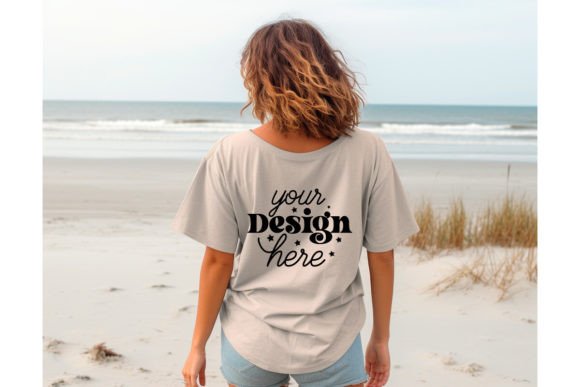
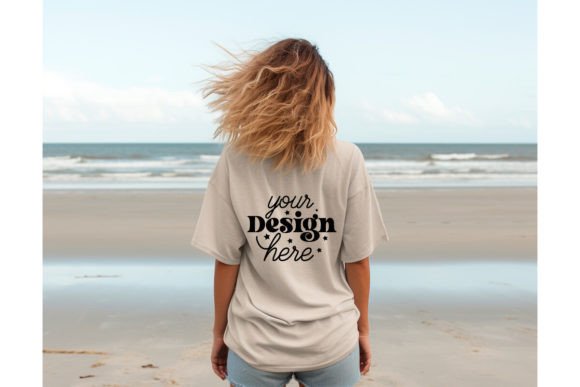
When you’re looking at a design to use for embroidery, whether it's for a client’s custom sweatshirt or a batch of tote bags for your shop, you’re not just judging a picture on a screen. You’re visualizing threads, texture, and how that digital file translates into a real, stitched product. That’s exactly the lens I’m using to look at Back Natural Bella Canvas 3001 Mockup155. It’s a graphic, yes, but for us, it’s a blueprint for a finished product.
The Immediate Mood and Where It Belongs
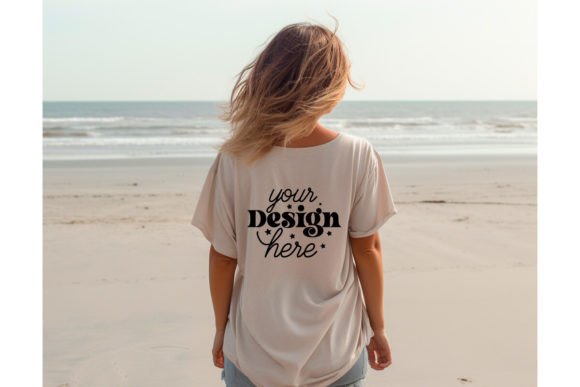
This mockup presents a straightforward, blank canvas. Its value isn’t in ornate detail, but in its clean, realistic presentation of a garment back. The mood it creates is professional and versatile. It doesn’t scream a specific theme; instead, it offers a neutral stage for your embroidery design to be the star. This feels like it naturally belongs to projects where the apparel itself is the focus—think custom t-shirt designs for small businesses, personalized gifts for teams or families, or even testing how a complex embroidery file will look on a classic tee before you stitch.
Thinking Through a Real Project Scenario
Let’s say I’m preparing a custom embroidered sweatshirt for a local café’s staff. They want their logo on the back of a Bella Canvas 3001 style shirt. Using this mockup, I can place their logo digitally, check the scale and positioning, and really see how it will inhabit that space. It moves me from "I think it'll fit" to "I know it sits perfectly between the shoulders." That confidence before the needle even touches the fabric is invaluable for client trust and professional results.
Performance Across Real Embroidery Situations
This graphic is a tool for visualization, and its performance is about how well it helps you predict your finished product. For custom apparel like t-shirts, sweatshirts, and polo shirts, it’s excellent. It gives a true-to-life shape and drape, crucial for judging if a large, dense fill stitch design might look too heavy or if a smaller satin stitch logo will be prominent enough.
It also extends beyond shirts. For a tote bag design, if the bag panel resembles this shirt back, this mockup helps visualize the embroidery layout. For baby clothes or aprons made from similar cotton blends, it aids in planning. Its greatest strength is in creating digital product previews for your Etsy listings or craft business website. Showing customers exactly how their chosen machine embroidery design will look on this specific garment style boosts engagement and sales—it removes the guesswork for them.
Where Caution is Needed
Because this is a mockup of a specific garment back, remember it represents that particular fabric and curvature. When your actual project deviates, you must adjust your thinking. If you’re stitching onto a much thinner fabric, a dark fabric, or a highly textured material, the final look will differ. This mockup is perfect for the Bella Canvas 3001 context, but for stretchy fabrics or curved surfaces like caps, you’d need a different template. Also, if your embroidery file has tiny lettering or extremely detailed corners, test the actual stitch-out on scrap first; the mockup shows placement, but stitch density and thread behavior are real-world factors.
Impact on Appeal, Trust, and Professionalism
Using a high-quality, realistic mockup like this directly affects your project’s perceived value. For a handmade product, it allows you to plan a balanced, aesthetically pleasing layout, which increases the visual appeal of the final embroidered patch or design. For your brand consistency, using consistent mockups across your product line makes your small shop product offerings look cohesive and professional.
It enhances customer trust by providing clarity. When someone orders a personalized gift, they’re buying the vision. This mockup helps you communicate that vision accurately. Furthermore, for commercial embroidery projects, it serves as a professional proof for clients, ensuring alignment before production begins, which saves time and prevents misunderstandings.
Practical Designer Notes Before You Stitch
Always, always test the design on scrap fabric first. Use fabric similar to your final product. Check thread color contrast against the actual garment color, not just the mockup. Review the stitch density of your embroidery file; a dense design on a light cotton tee might require specific stabilizer choices.
Since the product description notes you receive one high-resolution JPEG, remember this is a printable mockup and design asset. Confirm its licensing terms before using it to create digital embroidery file previews for sale or in commercial embroidery projects. If you’re using it to showcase your own embroidery designs for sale, ensure you have the right to use the mockup in that context.
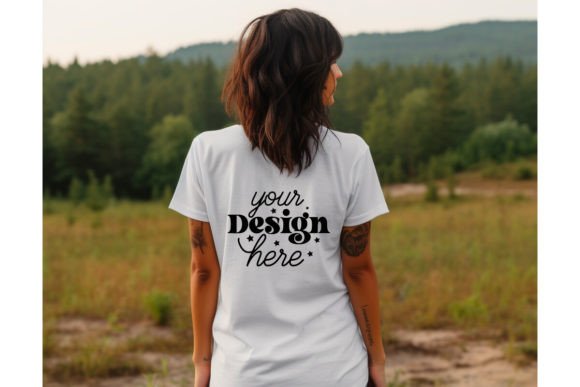
Finally, use this mockup as a partner in your planning. Compare your design on both light and dark background versions if you can. Think about fabric texture—how will the stitches sit on this specific canvas? By answering these questions using the mockup as a guide, you translate a graphic into a successful, tangible embroidery project that delights makers and customers alike.